
Balancing teams and taking turns

Large groups of 6 to 12 people require careful division of roles. How to split friends into collaborative squads so everyone has a voice without creating competitive cliques.

Group Scale: 6 to 12+ Guests Pairing Strategy: Mixed Confidence Focus: Distributed Agency

The Art of Harmonious Team Formation

When hosting eight or ten people, playing a single sequential board game is often a recipe for disaster. Downtime expands exponentially: if each person takes 90 seconds, you wait twelve minutes between turns. Guests inevitably pull out phones or splinter into separate side conversations.

The solution is team-based play. However, you must avoid the playground trap of "captains picking squads," which instantly revives childhood exclusion feelings. Instead, use these deliberate pairing methods:

"Pair high-confidence speakers with contemplative thinkers. The vocal player keeps the room lively, while the observant partner spots the winning card combination that the loud player overlooked." — Team Facilitation Strategy

Two gold-standard team formats

These titles divide the living room into two balanced sides with shared whispers and collective high-fives.

Soft-lit render of codenames style word grid cards
Word Association

Codenames: The Spymaster Dynamic

Two spymasters give one-word clues linked to a number (e.g., "River 2") to help their teammates identify secret agents from a 5x5 grid of word cards. The brilliance of Codenames is that operative teammates must debate openly among themselves before touching a card. Every single teammate participates in the deduction.

Scale: 4–10 Players Downtime: Shared Listening
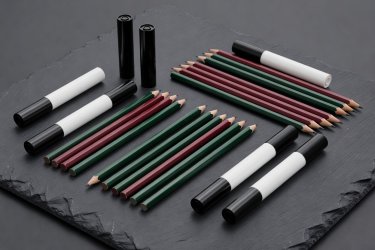
Soft-lit render of interception code sheets and pencils
Code Breaking

Decrypto: Subtle Encription

Two teams compete to transmit numeric codes (like 4-2-1) using four secret permanent keywords without allowing the opposing team to crack their code. It creates an electric atmosphere of whispered theories and playful bluffing where teammates constantly bounce ideas off each other.

Scale: 4–8 Players Downtime: Dual Simultaneous Actions

Split couples and longtime best friends

Whenever possible, place romantic partners and lifelong roommates on opposing teams or pair them with newer acquaintances. Decades of private inside jokes can create an impenetrable wall for newcomers; breaking those pairs up instantly integrates the entire circle.

Facilitating smooth turn transitions

  1. Designate an On-Deck Reminder

    In games with sequential turns, casually notify the next person: "Sarah is up now, and David is on deck." This prompts players to prepare their turn without feeling rushed.

  2. Rotate the Spymaster / Clue-Giver Seat

    Never let the same person remain clue-giver for more than one or two consecutive matches. Give everyone the opportunity to step into the puzzle role or sit back in the guessing crowd.

  3. End the Night on a High Note

    Wrap up the team session while people are still laughing and energized. It is far better to stop with guests wishing for one more round than to push past midnight until players are rubbing tired eyes.

Explore Common Table Questions →