Icebreakers without the spotlight

Opening games should loosen shoulders, not trigger performance anxiety. How to warm up a living room without forced comedy routines or uncomfortable confessionals.

Rule Duration: Under 2 Minutes Stage Pressure: Zero Mood: Light-Hearted Curiosity

Why traditional icebreakers often fail

Many traditional party games rely on putting an individual under a glaring mental spotlight. Games that require guests to improvise punchlines on the spot, confess personal embarrassments, or act out charades in front of acquaintances cause self-conscious players to retreat inward. The objective of an opening activity is mutual delight, not forced vulnerability.

"A thoughtful icebreaker hides the individual inside the crowd. When everyone writes or acts simultaneously, no single person feels evaluated." — Social Facilitation Guide

By shifting to games featuring parallel interaction, simultaneous secret writing, or spectrum guessing, the group bonds over organic humour rather than pressured solo performances.
Three proven zero-pressure openers

Each of these selections removes performance pressure while generating warm, collaborative dialogue.

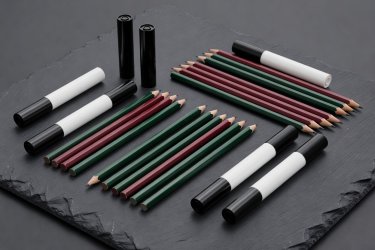
Soft-lit render of score pencils and dry-wipe markers on slate
Simultaneous Writing

Just One

One active player closes their eyes while everyone else writes down a one-word clue on small plastic easels. Identical clues cancel each other out before the guesser opens their eyes. There is zero fear of being foolish, because clever, unique hints are rewarded naturally.

Players: 3–7 Setup: 1 Minute
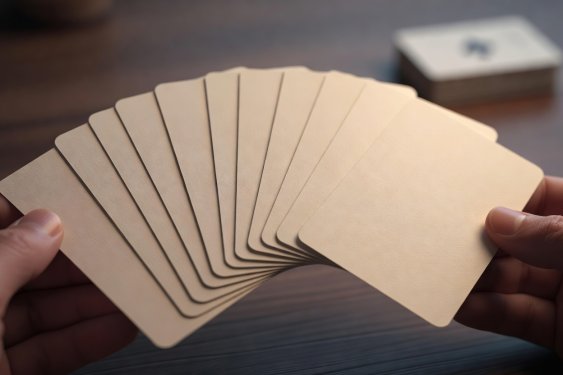
Soft-lit render of playing cards and token indicators
Intuitive Bluffing

Skull

Played with four thick cardboard coasters per player (three roses, one skull). Turns are as simple as placing a tile face-down or declaring a challenge. The bluffing is pure psychology and eye contact, requiring zero rules lookup and zero public speeches.

Players: 3–6 Setup: 30 Seconds
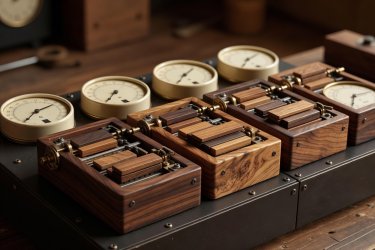
Soft-lit render of dials and wooden indicator counters
Calibrated Debate

Wavelength

A rotating psychic gives a clue calibrated between two spectrum poles (e.g., "Sad Song vs. Happy Song"). The team debates where the dial lands. The joy is entirely in the conversation about how each friend views the world.

Players: 4–12 Setup: 2 Minutes

The Host Rule: Never enforce mandatory participation

If someone says, "I'd prefer to just watch with my drink for the first round," accept it with a warm smile and hand them a glass. Ninety percent of onlookers voluntarily ask to join by round two once they realize nobody is being grilled or judged.

Checklist for launching the opening 20 minutes

  1. Keep the Table Clear of Clutter

    Before guests sit down, ensure coats, bags, and bulky dinner plates are out of the way. Physical space promotes emotional ease.

  2. Start Before Everyone Has Reached the Table

    Do not wait for absolute silence. Deal cards to whoever is present. As stragglers drift over, the energetic laughter naturally draws them into the circle.

  3. Laugh at Your Own Host Mistakes

    Make a clumsy clue or an erroneous bet early. Demonstrating that foolish moves carry zero penalty dismantles perfectionism across the entire room.

Next: Cooperative Play Strategies →