Bring everyone into the game, not just the loudest players

Social game nights succeed or stall based on table safety, teach length, and downtime. Here is how to pick formats that invite hesitant guests without rules fatigue.

Group Size: 3 to 10 Players Teach Target: Under 4 Minutes Focus: Low-Stakes Engagement Choose an inclusive format

Choose for the people around the table

Too many game nights falter because the host pulls down their favourite multi-layered eurogame before checking who actually enjoys managing wooden cubes for two hours.

Format Match

The First-Timer Group

When friends have never played modern tabletop games, avoid abstract scoring sheets. Favour titles with visible table states like Skull or Just One where guessing and light tension do the heavy lifting.

Setup: 60 seconds View Icebreakers →
Format Match

The Anxious Contender

Cutthroat direct confrontation alienates players who dislike conflict. Cooperative formats like The Crew: Mission Deep Sea or Hanabi pivot attention toward shared puzzle-solving rather than beating a neighbour.

Dynamic: Co-op Explore Co-op →
Format Match

The Large Mixed Crowd

With seven to ten guests, round-robin turns guarantee wandering minds. Large team splitters such as Codenames or Decrypto maintain constant active listening across both sides of the table.

Scale: 6–10 players See Team Guides →

Teach the goal before the components

The number one mistake when teaching rules is explaining five different card colours and token values before saying what a player is trying to do. Start every session with: "To win, we are trying to do X. On your turn, you simply pick one of two simple actions." Everything else can be learned during round one.

Explain less before the first turn

Extended lectures cause eyes to glaze over. A great facilitator teaches in thin layers so the first physical piece moves within three minutes.

  1. State the Theme and End Condition

    Establish what the room is trying to accomplish: "We are trying to feed travelers" or "We need to identify secret agents before running out of guesses."

  2. Run a Dummy Round with Open Hands

    Deal sample cards face up. Have player one take a simple legal turn out loud. Everyone sees how the pieces interact without risking mistakes.

  3. Postpone Edge Cases and Exceptions

    Do not recite tie-breakers, penalty exceptions, or niche abilities until they actually emerge naturally in round three or four.

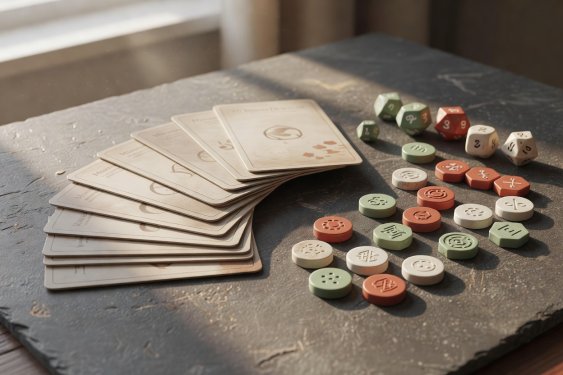
Soft-lit render of ordinary dice and tokens on slate surface
"The table does not need to master the game during turn one; they only need to know what choice sits in front of them right now." — Table Facilitation Principle

When teaching casual tabletop classics like Sushi Go! or Kingdomino, hand players their starting pieces immediately. Tactile contact builds comfort faster than verbal summaries.

Four ways a group can play

Different social energies demand different structural frameworks. Explore the four foundational game types covered across our playbook.

Soft-lit render of game counters and round player tokens
Track 01

Low-Pressure Icebreakers

Games that generate laughter without putting timid guests on a public stage or testing obscure trivia.

Soft-lit render of a standard playing card deck fanned on slate
Track 02

Cooperative Shared Decisions

Puzzles where everyone wins or loses together, preventing cutthroat elimination and building camaraderie.

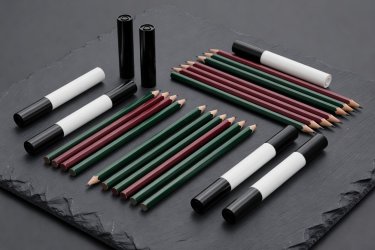
Soft-lit render of score pencils and neutral scorepads
Track 03

Familiar Tabletop Formats

Drafting, tile placement, and route building with clear tactile components and intuitive visual scoring.

Soft-lit render of wooden game dice on table
Track 04

Balanced Team Battles

Pairing extroverts and introverts together into duos or squads to distribute responsibility evenly.

Keep the evening moving fairly

A game night stalls when one player falls into analysis paralysis or a domineering participant dictates everybody else's move.

Challenge at Table Underlying Reason Facilitator Intervention Preventive Selection
Analysis Paralysis Player fears making an irrecoverable sub-optimal move. Remind everyone: "Friendly game—test the theory and see what happens!" Use simultaneous turn games like Sushi Go! or 7 Wonders.
Quarterbacking One loud player commands all cooperative actions. Establish table rule: each player holds sole custody over their turn. Pick limited communication titles like Hanabi or The Crew.
Player Elimination Blues First knocked-out guest spends 45 minutes on their smartphone. Never bring full elimination games to casual gatherings. Select round-based point races where all participants finish together.
Rulebook Debates Two competitive players argue over ambiguous wording. The host makes an immediate 10-second ruling for tonight; verify later. Keep games with clean, unambiguous player aids on hand.

Settle the table questions

Key questions frequently asked by hosts trying to build a recurring, friendly game circle.

View all 8 table questions in our FAQ →

The reasoning behind this playbook

Games are social glue, not intelligence exams. Too often, well-meaning hosts inadvertently intimidate newcomers with dense rulebooks, aggressive gatekeeping, or zero-sum cutthroat mechanics. quirkpartyreeradr.com exists to document verified tabletop habits, low-stress facilitation styles, and balanced formats that leave everyone eager for the next session.

Read Our Table Philosophy Send a Game-Night Question